Homemade Croissants Without Mixer
Highlighted under: Sweet Bakehouse
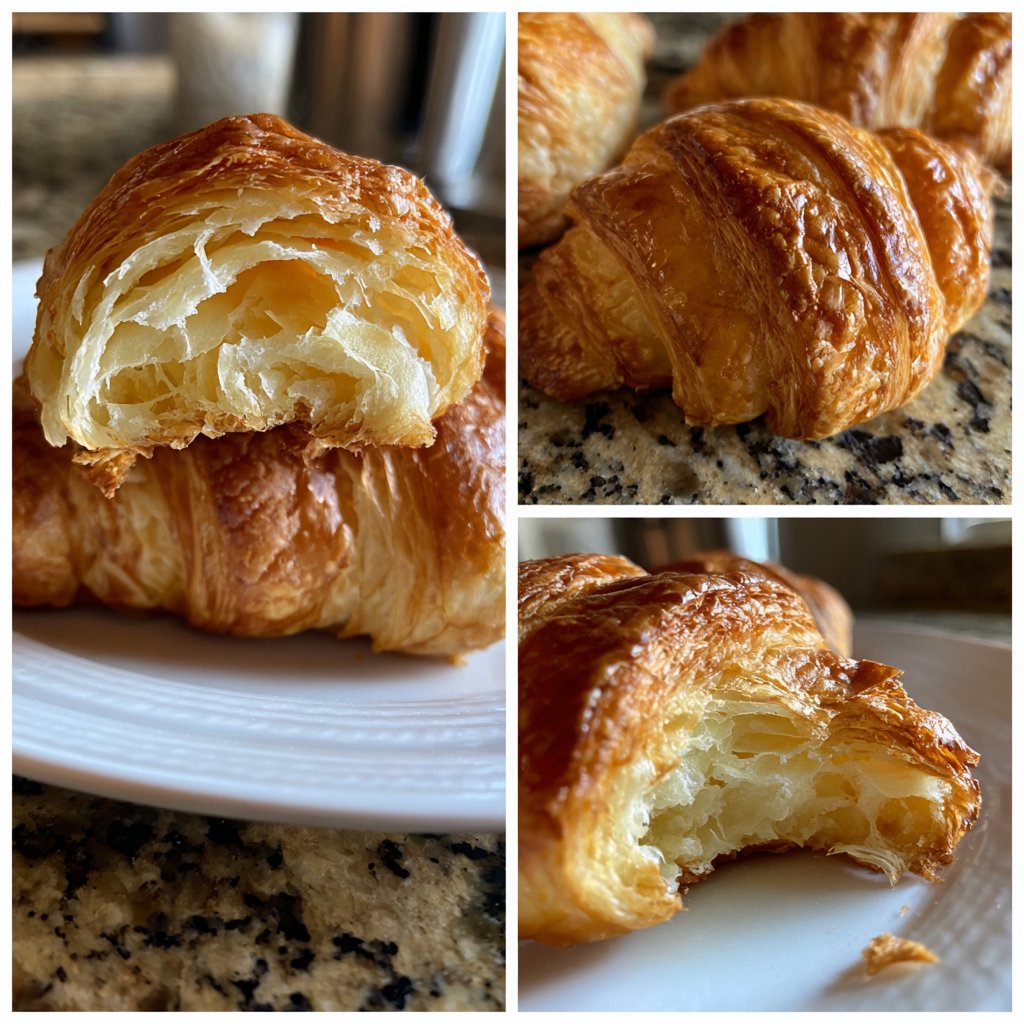
I can’t express enough how rewarding it is to make croissants from scratch without a mixer. This process allows me to connect on a deeper level with my ingredients. By using my hands to knead and fold the dough, I not only develop the gluten but also create layers that result in that quintessential flaky texture. Each step is a labor of love—yes, it requires patience, but the payoff is undeniably delicious. The sheer joy I feel when biting into a warm, buttery croissant makes it all worth it.
When I first attempted making croissants without a mixer, I was skeptical about the outcome. However, as I kneaded the dough by hand, I realized that the tactile experience was crucial. The dough began to come together beautifully as the warmth from my hands activated the butter, creating that classic flaky texture. This method truly gave me a new appreciation for the baking process!
After several trials, I learned that allowing the dough to rest properly made all the difference. I also discovered that using cold ingredients can help control the butter's melting, ensuring that the layers stay intact. It's these details that elevate my homemade croissants to bakery-quality.
Why You'll Love This Recipe
- The satisfaction of homemade flaky layers
- Buttery aroma that fills your kitchen
- Perfect for breakfast or a lovely afternoon treat
Understanding the Dough Components
Each ingredient in the croissant dough plays a significant role in achieving that memorable texture. The all-purpose flour provides the necessary protein to develop gluten, giving the pastry its structure and chewiness. Choosing a high-quality flour can make a noticeable difference in the final product. The sugar enhances browning during baking, creating that beautiful golden hue on the outside, while the salt balances flavors and strengthens gluten development. Ensure your yeast is active by checking its expiration date; this will give your croissants the rise they need.
When incorporating the warm milk with yeast, the temperature is crucial. The warmth activates the yeast, creating gas bubbles that produce lift. If the milk is too hot, it may kill the yeast, resulting in dense croissants. Aim for a temperature around 110°F (43°C). After mixing, the dough should feel slightly tacky but not overly sticky—adjust with a bit more flour if necessary.
The Art of Lamination
Laminating the dough is where the magic happens, transforming simple dough into a beautifully layered pastry. When rolling out the dough and butter, keep a consistent thickness to ensure even layering. If the butter becomes too warm and starts to ooze out, chill the dough briefly to firm up the butter, as this is key for creating those flaky layers. Each fold you make adds layers; the more you fold, the flakier the croissants will be, so try to incorporate at least three folds with chilling intervals between each.
After laminating, it's essential to let the dough rest before shaping the croissants. This resting period helps relax the gluten, making it easier to roll and shape the croissants without resistance. If you're short on time, a 20-minute rest can be effective, but ideally, aim for a 45-minute chill in the fridge before moving to the shaping step.
Serving and Storage
Once baked, croissants are best enjoyed fresh out of the oven, while they are still warm. The flaky layers will create a delightful crunch, and the buttery flavor will be at its peak. Pair them with jam, honey, or simply enjoy them plain to savor the rich, buttery taste. If you're serving them for a special breakfast or brunch, consider adding a side of fresh fruit or a light salad to complement the richness of the croissants.
If you have leftovers, store them in an airtight container at room temperature for up to two days. For longer storage, wrapping them in foil and freezing will maintain their quality for up to a month. To reheat, simply pop them in a preheated oven at 350°F (175°C) for about 10 minutes to regain their crispness without sacrificing that delightful texture.
Ingredients
Gather these ingredients to craft your delicious homemade croissants:
Dough Ingredients
- 4 cups all-purpose flour
- 1/4 cup granulated sugar
- 1 tablespoon salt
- 1 tablespoon active dry yeast
- 1 1/4 cups whole milk, warm
- 3 tablespoons unsalted butter, melted
Butter Layering Ingredients
- 1 1/2 cups unsalted butter, cold
With your ingredients ready, you're all set to start making croissants!

Instructions
Follow these steps to create your flaky, homemade croissants:
Prepare the Dough
In a large bowl, mix the warm milk with yeast and let it sit for 5 minutes. Then combine it with flour, sugar, and salt. Knead by hand for about 10 minutes until smooth.
Incorporate the Butter
Roll out the cold butter between parchment paper into a rectangle. Roll the dough into a larger rectangle and place the butter in the center. Fold the dough over the butter and seal the edges.
Laminate the Dough
Roll the dough out into a long rectangle and fold it in thirds. Repeat this process two more times to create layers.
Shape the Croissants
Roll the laminated dough into a larger rectangle, cut triangles, and roll them into croissant shapes. Let them rise for 30 minutes.
Bake to Perfection
Preheat the oven to 400°F (200°C). Brush the croissants with an egg wash and bake for 20-25 minutes until golden brown.
Enjoy your flaky, homemade croissants fresh out of the oven!
Pro Tips
- Make sure your butter is cold to achieve the best flaky layers. Also, patience is key
- letting your dough rest will improve the final texture immensely.
Troubleshooting Common Issues
If your croissants are not rising as expected, it may be due to inactive yeast. Always check if your yeast is bubbly and frothy after mixing it with warm milk. If your croissants are coming out too dense, it could be a result of not kneading the dough enough or excess flour. Aim for a smooth, elastic dough; if it's too dry, a little more milk can help.
Overworking the dough can lead to tough croissants. Pay attention to the dough's texture; it should be smooth and slightly sticky. If you find your butter breaking through the dough during the lamination process, return the dough to the fridge for a short chill before continuing to prevent leaks.
Keeping It Dairy-Free
For a dairy-free version of this croissant recipe, you can substitute the butter with a dairy-free alternative, such as margarine or vegan butter. Make sure to select a high-quality butter substitute that maintains the same consistency to ensure proper layering. You can also use almond milk or any other non-dairy milk option that is unsweetened to replace the whole milk, helping to achieve a similar richness while keeping the recipe dairy-free.
Keep in mind that when using alternatives, the texture may differ slightly, but you can still achieve lovely flaky layers. Experiment a bit with the vegan butter brands, as some may melt differently, affecting the final pastry outcome.
Questions About Recipes
→ Can I use a stand mixer for this recipe?
This recipe is designed for hand mixing, but if you prefer, you can use a stand mixer on low speed.
→ How can I store leftover croissants?
Store them in an airtight container at room temperature for up to 2 days. For longer storage, freeze them.
→ Is it necessary to use cold butter?
Yes, cold butter is essential for creating distinct layers in the croissant.
→ What can I pair with croissants?
Croissants go well with jam, honey, or butter, and make an excellent pairing with coffee or tea.
Homemade Croissants Without Mixer
Created by: Jasmine Porter
Recipe Type: Sweet Bakehouse
Skill Level: Intermediate
Final Quantity: 12 croissants
What You'll Need
Dough Ingredients
- 4 cups all-purpose flour
- 1/4 cup granulated sugar
- 1 tablespoon salt
- 1 tablespoon active dry yeast
- 1 1/4 cups whole milk, warm
- 3 tablespoons unsalted butter, melted
Butter Layering Ingredients
- 1 1/2 cups unsalted butter, cold
How-To Steps
In a large bowl, mix the warm milk with yeast and let it sit for 5 minutes. Then combine it with flour, sugar, and salt. Knead by hand for about 10 minutes until smooth.
Roll out the cold butter between parchment paper into a rectangle. Roll the dough into a larger rectangle and place the butter in the center. Fold the dough over the butter and seal the edges.
Roll the dough out into a long rectangle and fold it in thirds. Repeat this process two more times to create layers.
Roll the laminated dough into a larger rectangle, cut triangles, and roll them into croissant shapes. Let them rise for 30 minutes.
Preheat the oven to 400°F (200°C). Brush the croissants with an egg wash and bake for 20-25 minutes until golden brown.
Extra Tips
- Make sure your butter is cold to achieve the best flaky layers. Also, patience is key
- letting your dough rest will improve the final texture immensely.
Nutritional Breakdown (Per Serving)
- Calories: 250 kcal
- Total Fat: 15g
- Saturated Fat: 10g
- Cholesterol: 30mg
- Sodium: 120mg
- Total Carbohydrates: 27g
- Dietary Fiber: 1g
- Sugars: 1g
- Protein: 4g